Field trips
the organizing secretariat will contact you with an alternative proposal or will refund the fee already paid.
THE GULF OF NAPOLI: A GULF OF CONTRASTS
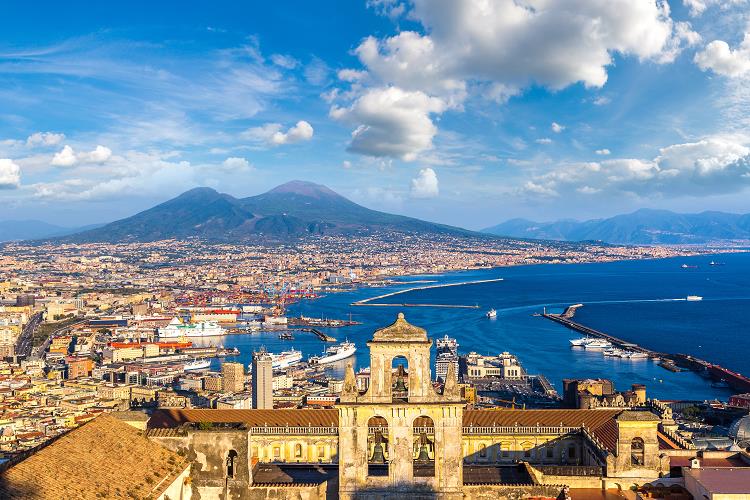
The Gulf of Napoli is a marginal basin of approximately 900 km2 located almost at the biogeographic boundary between the north and south Tyrrhenian sectors of the Mediterranean Sea, which are characterised by different thermal regimes. It has an average depth of 170 m and a complex bottom topography: two submarine canyons (Magnaghi and Dohrn), reaching depths of up to 800 m, a variety of volcanic ocean banks, and a continental shelf, ranging from 2.5 km to 20 km wide. The two canyons are vital for renewing and diluting the – at times polluted – coastal waters of the heavily urbanised coast of the Gulf area. The islands of Ischia, Procida and Capri are found on the external edge of the Gulf; the northern limit is delimited by the Campi Flegrei area, whereas the Sorrento peninsula and Capri Island enclose the Southern part of the Gulf. Three marginal sub-basins can be identified within the Gulf of Naples: the Bay of Pozzuoli in the northern part, the Bay of Naples in the central sector, and the Gulf of Castellammare in the south-eastern part of the basin.
Pompei
Requirements: comfortable shoes.
Tips: you won’t get wet, but maybe sweat, in this field trip. The Ruins of Pompei can be very hot, if the sun is shining. Bring your sun hat and sunscreen.
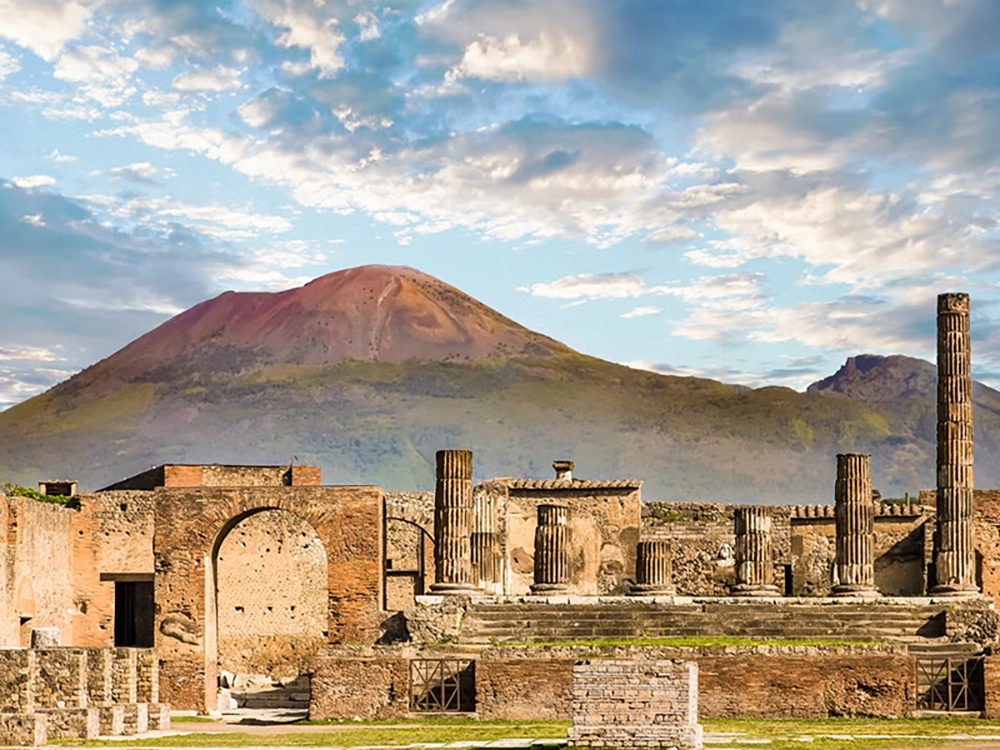
Activity: The visit to the lost city of Pompeii is scheduled for those who want to spend extra time in Naples and discover as much as possible about the ancient city buried by the eruption of Mount Vesuvius in 79 AD. The archaeological site of Pompeii is among the UNESCO-listed sites and spans about 163 acres (66 hectares) and housed 20,000 to 25,000 people, featuring a complex grid of streets and buildings. The ash and pumice preserve the remains of brilliant frescoes, opulent villas and baths, grand theatres, and even the bone-chilling casts of Pompeiians who died that fateful day.
Rediscovered in 1748 during canal excavation work, Pompeii is a wonderful example that displays ancient Roman architecture, where it portrays what life was like in ancient Rome and how their buildings and communities were seen from a structural lookout.
Ercolano

Requirements: comfortable shoes
Tips: you won’t get wet, but maybe sweat, in this field trip. The Roman Ruins of Herculaneum can be very hot, if the sun is shining. Bring your sun hat and sunscreen.
Activity: Guided tour of the Archeological Park. Visit the ruins of Herculaneum city after the Vesuvio eruption of the year 79 AD, which also destroyed Pompei.
Gaiola
Possibility of registration for a limited number of participants
Requirements: snorkelling gear
Tips: This trip includes walking in the Archeological Park and climbing up from the sea to the main road (20 minutes). Bring your sun hat, sun screen, swim gear and beach towel and comfortable walking shoes.
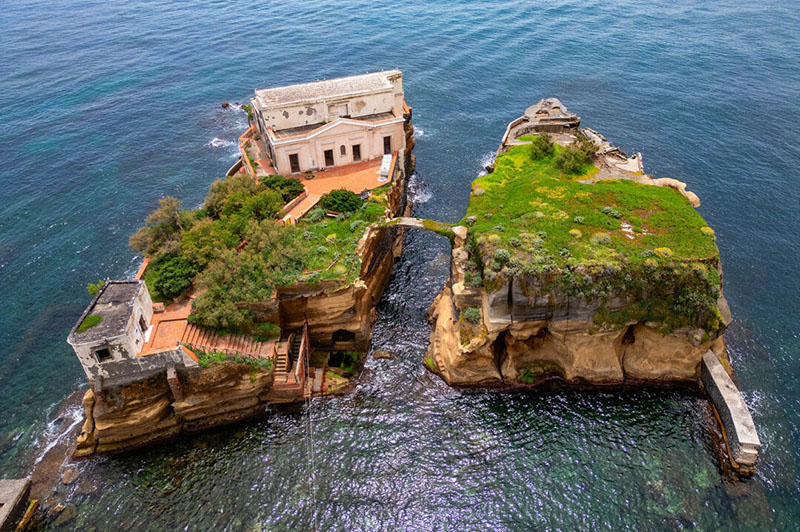
Activity: Bus to the Parco Archeologico di Pausillipon. Walking through the Roman gallery of Seiano, to reach the ruins of the Roman villa, facing the sea. Visit the Archeological Park to reach the MPA Parco Sommerso di Gaiola headquarter. Snorkelling on rocky shores. Back to Naples by bus.
Baia
Possibility of registration for a limited number of participants
Requirements: snorkelling gear
Tips: snorkelling and visiting the museum can be tiring… be ready. Bring your sun hat, sun screen, swim gear and beach towel and do not forget your pills, if you get seasick.
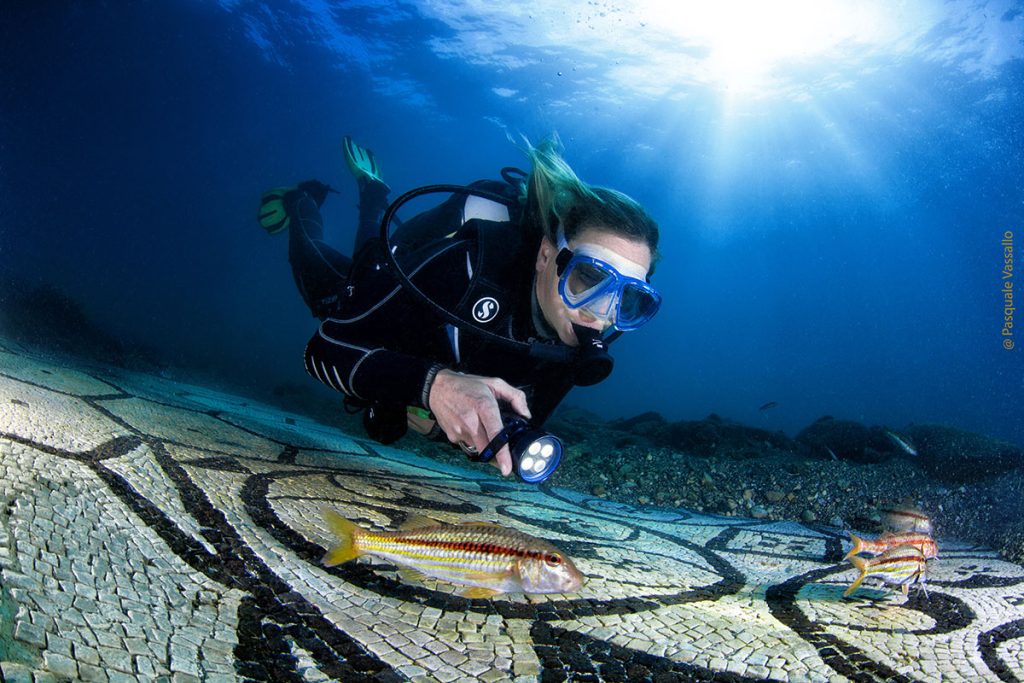
Activity: Bus to Baia, in the middle of the Phlegrean Fields. Snorkelling / Diving on the Roman ruins of the Underwater Park and on nearby Posidonia oceanica patches. New mosaics have been uncovered under Posidonia dead matte! Snorkelling sites will be reached by dinkey. Visit to a Roman Archeological site of Baia. Back to Naples by bus.
City walking Tour

City walking tour in the centre of Naples
Max participants: 50
Requirements: comfortable shoes.
Activity: Discover the city and its wonders during a walking tour that shows you all about Naples’ past and present, through the many sovereigns and dynasties that ruled the city. During this guided tour, you will go through Spaccanapoli, the main street that crosses the old historic centre of the city; this area is chaotic, as well as vibrant, colourful, noisy, mysterious, and beautiful. In other words, it is the real essence of Naples.
During this tour, you will visit the Santa Chiara Monastery with its wonderful majolica Clarisse Cloisters. As you go on, you will walk through San Gregorio Armeno, the heart of traditional artisan workshops and famous Christmas handcraft. This visit continues at the Naples’ Cathedral, one of the most important churches in the city, mainly dedicated to the Assumption of the Virgin Mary.
Inside, you can admire beautiful chapels, paintings, sculptures and decorations: one of the most famous places is the Chapel of San Gennaro, the patron saint of Naples. The cathedral preserves relics of the saint and is closely connected with the famous tradition of San Gennaro’s blood, which is believed to liquefy on certain days of the year. This phenomenon draws both reverence and curiosity.
This tour is a perfectly preserved historical testimony of how the city has grown and evolved, a continuous mixture of ancient and modern.